BigCommerce Review Features, Pricing, Pros & Cons
In a world where online stores launch every minute, choosing the right e-commerce platform could mean the difference between a side hustle and a thriving digital empire. BigCommerce stands out as a robust solution tailored for businesses looking to grow fast, without compromising on flexibility, features, or profitability.
Designed with scalability and performance in mind, BigCommerce empowers brands to go beyond templates and limitations. It solves some of the most pressing ecommerce problems: complex integrations, limited SEO tools, high transaction fees, and growth-restricting pricing models. With its feature-rich core and focus on performance, BigCommerce is a serious contender in the e-commerce space.
This platform is best for mid-sized to large online retailers, B2B sellers, and brands seeking multi-channel reach, especially those who want enterprise-grade capabilities without the enterprise-level cost and technical debt.
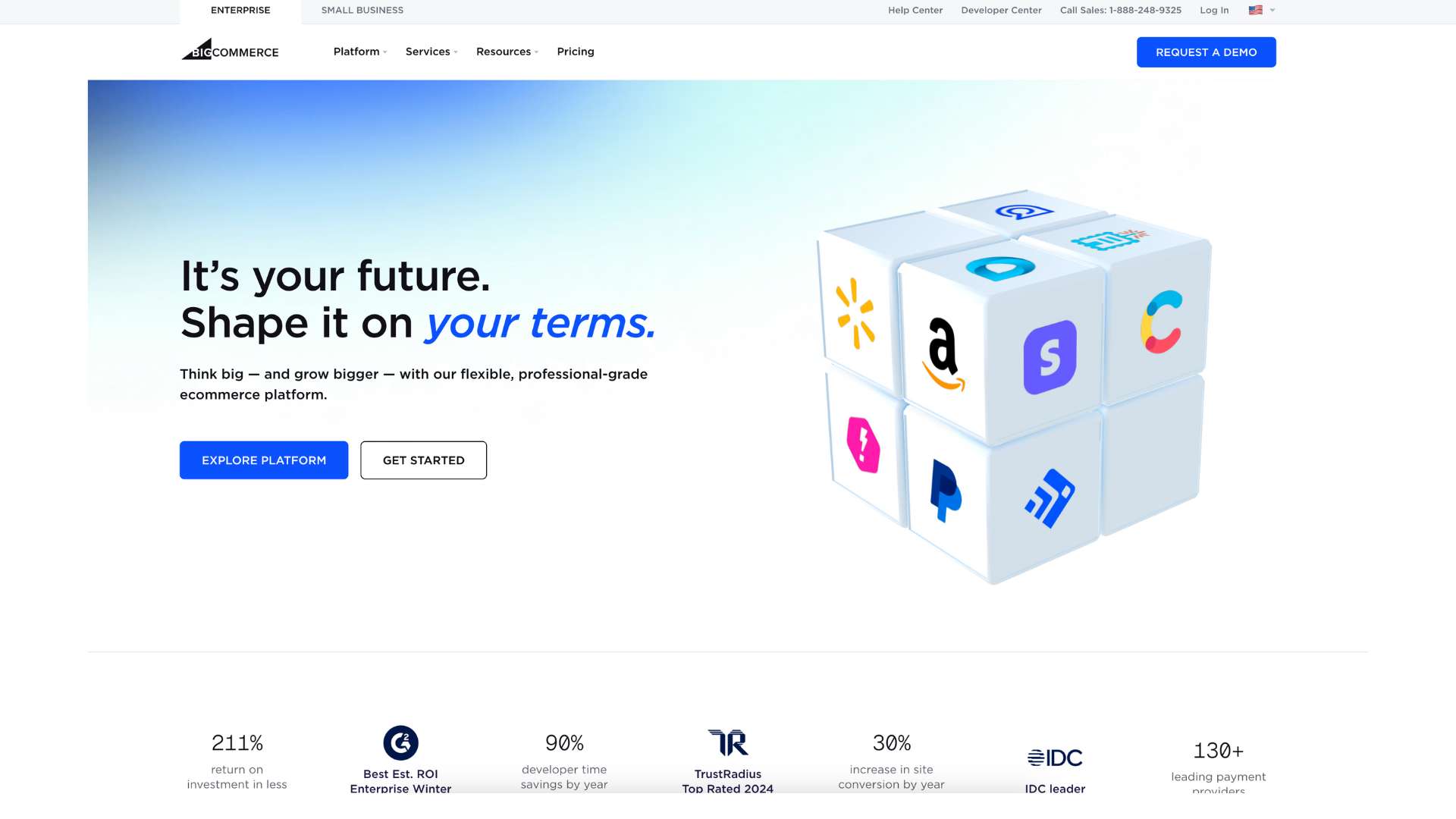
About BigCommerce
Founded in 2009 by Eddie Machaalani and Mitchell Harper in Sydney, Australia, BigCommerce quickly made waves in the e-commerce world by offering powerful capabilities for online retailers, without locking them into the code-heavy environment of self-hosted platforms.
Now headquartered in Austin, Texas, BigCommerce serves over 60,000 merchants in 120+ countries. The company went public in 2020 and has steadily increased its market share through aggressive product innovation and strategic partnerships.
What sets BigCommerce apart is its focus on open SaaS—a flexible approach that combines the ease of cloud-based platforms with the customization potential typically found in open-source systems. The company has continually evolved, serving both DTC and B2B markets, with clients ranging from local apparel shops to global brands like Skullcandy, Sony, and Ben & Jerry’s.
Visit: https://www.bigcommerce.com
Key Features
BigCommerce is packed with built-in features that minimize the need for third-party apps—saving both time and money. Here’s what makes it powerful:
Store Setup & Product Management
- Unlimited products, categories, variants
- Bulk import/export via CSV
- Inventory management with low-stock alerts
- Digital products support
Multichannel Commerce
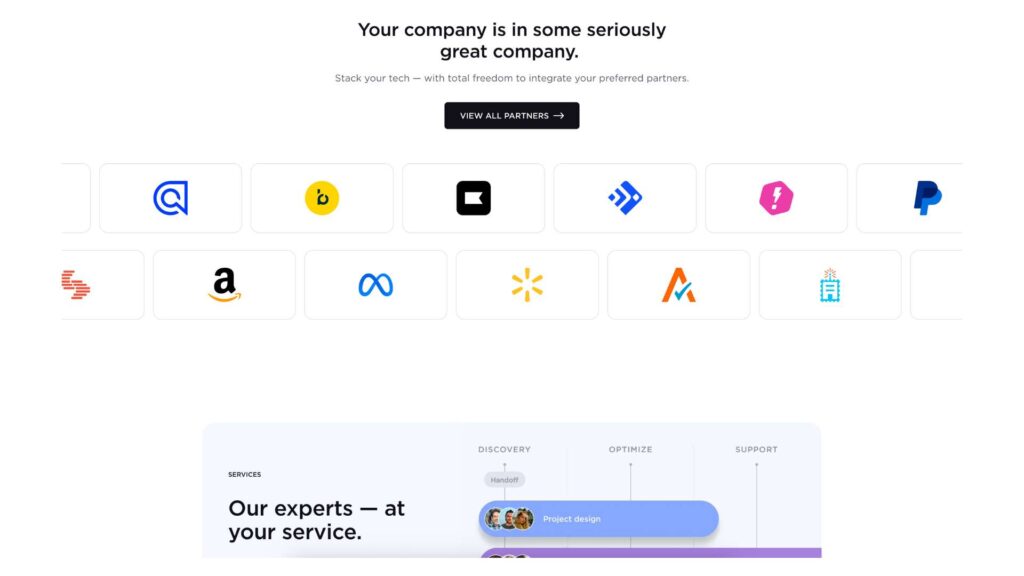
- Built-in integrations with Amazon, eBay, Walmart, Facebook, Instagram, and Google Shopping
- Manage listings, inventory, and orders across all channels from one dashboard
SEO & Marketing
- Custom URLs, metadata, and microdata support
- Automatic sitemaps and robot.txt editing
- Built-in blog
- Discount engine and coupon codes
- Email marketing integrations with Mailchimp, Klaviyo, and more
B2B Capabilities
- Custom price lists and catalogs
- Company-level user permissions
- Quote management and invoicing tools
- Customer group segmentation
Payments & Checkout
- 65+ payment gateways supported (PayPal, Stripe, Square, etc.)
- No additional transaction fees charged by BigCommerce
- Optimized one-page checkout
- Apple Pay, Google Pay, and Amazon Pay integration
Analytics & Reporting
- Real-time analytics dashboard
- Customer insights, sales reports, and cart abandonment stats
- Google Analytics and Facebook Pixel integration
Shipping & Fulfillment
- Real-time carrier shipping quotes
- Multi-warehouse and multi-carrier setup
- Integration with ShipStation, ShipperHQ, and more
Security
- Level 1 PCI Compliance
- Free HTTPS and SSL certificate
- Two-factor authentication and fraud protection
Apps & Integrations
- 1000+ apps available in the BigCommerce App Marketplace
- RESTful API and GraphQL support for advanced customizations
Store Design & Themes
- Drag-and-drop theme editor
- Dozens of mobile-responsive themes
- HTML/CSS customization options
User Interface and Experience (UI/UX)
BigCommerce delivers a clean, professional, and intuitive backend experience. The dashboard offers a modern design that balances power with ease of use. Navigation is straightforward, with organized menus for products, customers, orders, marketing, and analytics.
Onboarding is seamless—new users are guided by a step-by-step launch wizard, demo products, and tooltips that highlight key features. The platform also provides sample data and storefront themes to test and play with before going live.
While it may not be as beginner-friendly as Shopify, it makes up for that with more out-of-the-box functionality.
On mobile, the admin panel is accessible via responsive web design, though not a native app, it remains functional for monitoring orders and editing products on the go.
Accessibility features like alt text controls, keyboard navigation, and screen reader compatibility are present, making BigCommerce a solid option for inclusive store management.
Platforms Supported
| Platform | Availability |
|---|---|
| Web Browser | Yes (SaaS, cloud-based) |
| Windows/macOS | No desktop install |
| iOS/Android | Accessible via browser |
| Offline Access | No (requires internet) |
BigCommerce is a fully cloud-hosted platform. This means all updates, backups, and security patches are handled on their servers—reducing IT overhead and increasing uptime reliability.
Pricing
BigCommerce offers tiered pricing based on your store’s revenue and feature needs.
| Plan | Price (Monthly) | Annual Sales Limit | Key Features |
|---|---|---|---|
| Standard | $39 | Up to $50K | Unlimited products, multichannel, no fees |
| Plus | $105 | Up to $180K | Abandoned cart saver, customer groups |
| Pro | $399 | Up to $400K | Google Reviews, advanced filtering |
| Enterprise | Custom pricing | Unlimited | Custom features, SLA, priority support |
All plans come with:
- 15-day free trial
- No BigCommerce transaction fees
- Unlimited bandwidth and staff accounts
- 24/7 support
As your revenue grows, the platform scales with you, but if you surpass your plan’s annual revenue cap, you’ll need to upgrade or negotiate an enterprise plan.
Pros and Cons
Pros
- Built-in SEO and multichannel tools — No need for dozens of apps.
- No transaction fees — Unlike Shopify, BigCommerce doesn’t charge additional percentage fees on top of payment gateway charges.
- B2B and wholesale features — Great for large catalogs and specialized pricing.
- Scalable infrastructure — Works for businesses from $0 to millions in revenue.
Cons
- Steep learning curve — Especially for newcomers or non-tech users.
- Revenue-based pricing limits — Must upgrade plans as you earn more.
- Fewer free themes — Many are paid, and advanced design needs code tweaks.
- Limited native mobile app — Admin panel isn’t fully mobile-optimized.
Customer Support and Resources
BigCommerce’s support system is solid and multi-channel:
- 24/7 live chat, phone, and email
- Comprehensive Help Center with guides, articles, and how-tos
- Developer documentation with API guides
- BigCommerce University (free courses and tutorials)
- Community forum with active user discussions
For those on Enterprise plans, BigCommerce offers account managers, priority support, and access to custom solutions.
Real-World Use Cases
BigCommerce shines in various ecommerce environments:
- Mid-market brands expanding globally — A fashion retailer can use built-in multi-currency support and international shipping to grow its reach without extra plugins.
- B2B operations — Wholesalers can implement custom catalogs and tax rules while handling complex orders through API integrations.
- High-growth DTC brands — Tech or lifestyle companies scaling rapidly appreciate BigCommerce’s ability to handle high traffic and large inventories with speed and security.
Brands like La Perla, Ben & Jerry’s, and Bliss are just a few of the high-profile companies building on BigCommerce’s platform.
User Reviews and Ratings
BigCommerce consistently earns praise from users on major review platforms:
- G2: 4.2 out of 5
- TrustRadius: 8.6 out of 10
- Capterra: 4.3 out of 5
Notable User Quotes:
“BigCommerce had a much stronger B2B integration, out of the box, than Shopify or Wix.” – TrustRadius reviewer
“It gave us more control and customization options without needing an army of developers.” – G2 reviewer
“Some features are buried deep and hard to configure, but once you learn the system, it’s powerful.” – Capterra reviewer
Overall, users highlight its extensibility, multichannel capabilities, and backend power, while noting a moderate learning curve.
Best Alternatives to BigCommerce
| Alternative | Best For | Key Differences |
|---|---|---|
| Shopify | Beginners and fast launches | Easier UI, but has transaction fees & app reliance |
| WooCommerce | WordPress users and developers | Highly customizable, self-hosted |
| Wix eCommerce | Small businesses and solopreneurs | Simple drag-and-drop builder, limited scale |
| Magento | Enterprise-grade ecommerce | Deep customization, requires hosting & devs |
| Squarespace | Creative professionals | Stylish design templates, fewer ecommerce tools |
Each competitor offers unique benefits, but BigCommerce stands out for businesses serious about scaling with fewer plugins and more built-in muscle.
Summary
BigCommerce isn’t just another e-commerce builder—it’s a powerful, scalable engine for ambitious businesses. Its greatest strengths lie in:
- Built-in SEO and multichannel capabilities
- B2B-friendly features
- No transaction fees
- Robust infrastructure for fast-growing brands
However, its pricing model based on annual revenue and a slightly steeper learning curve may not suit everyone, especially new sellers or solopreneurs.
Still, for businesses looking to grow beyond basic online selling, BigCommerce offers unmatched value and performance in the e-commerce SaaS space.
Ready to try it yourself? Start your 15-day free trial at bigcommerce.com. And for more expert reviews and comparisons, visit usefully.site.
Media
BigCommerce Review | Is It the Best E-Commerce Platform in 2025?
BigCommerce Tutorial for Beginners 2025 – Create a Professional ECommerce Website
How To Use BigCommerce For First Timers | Tutorial For Beginners (2025)